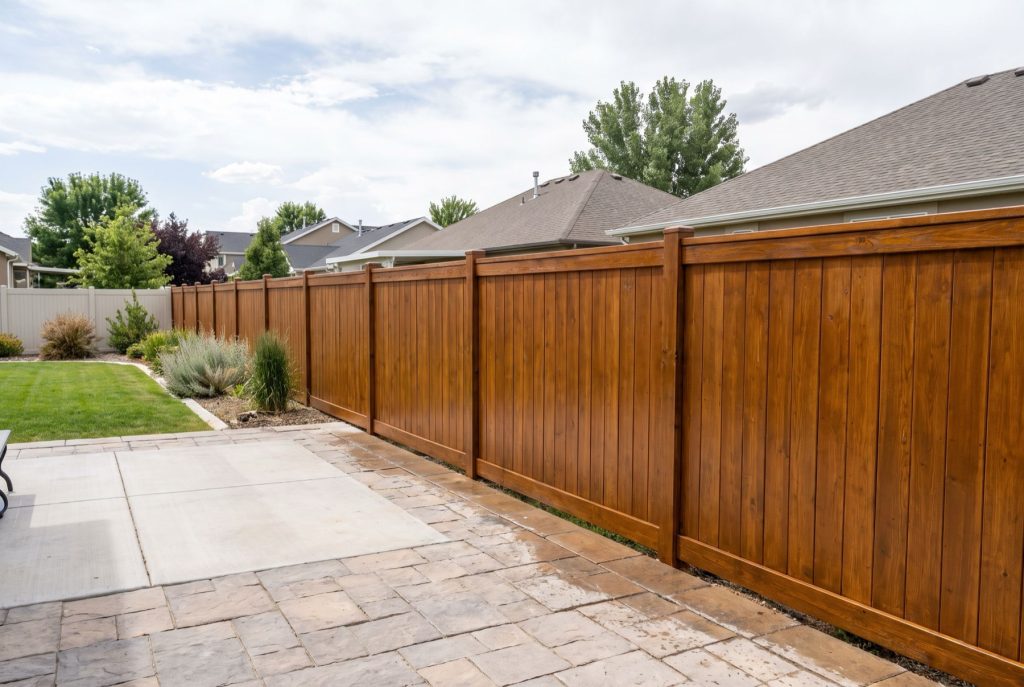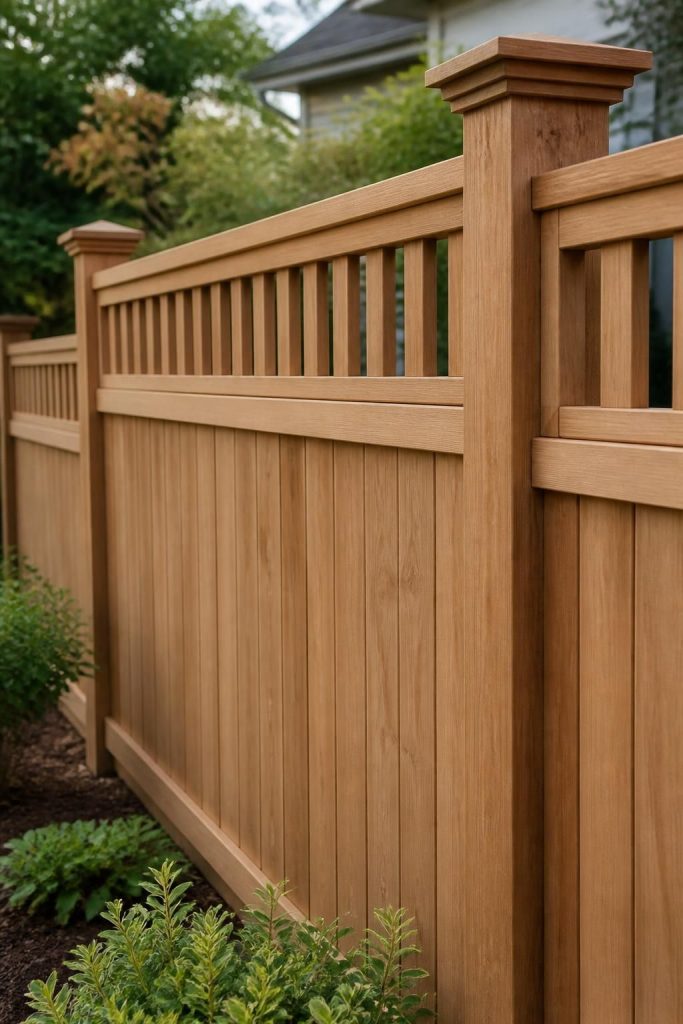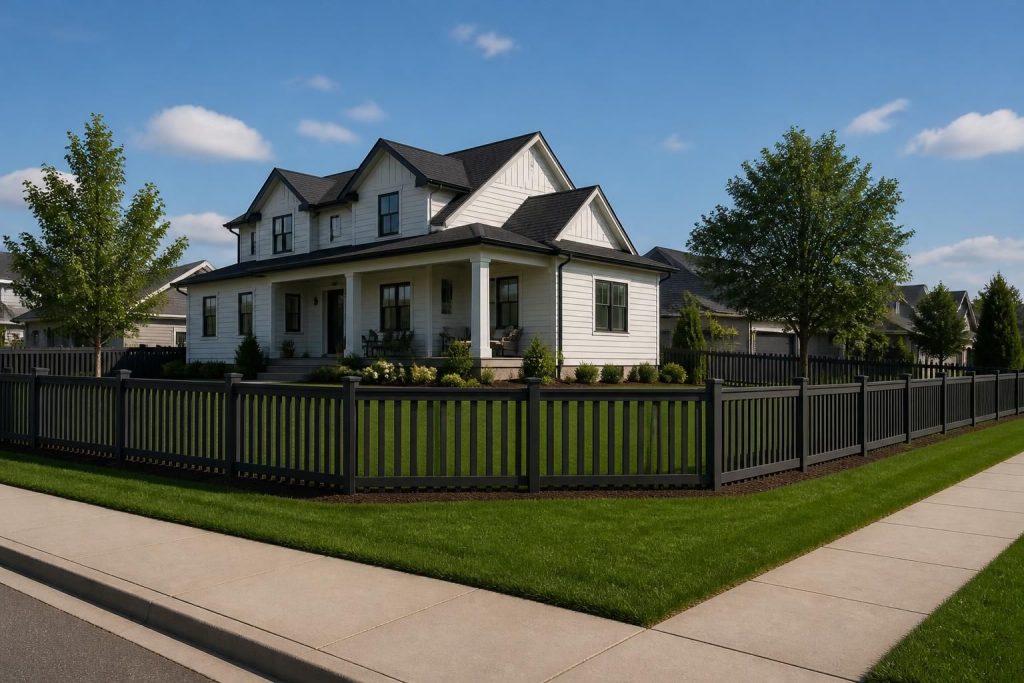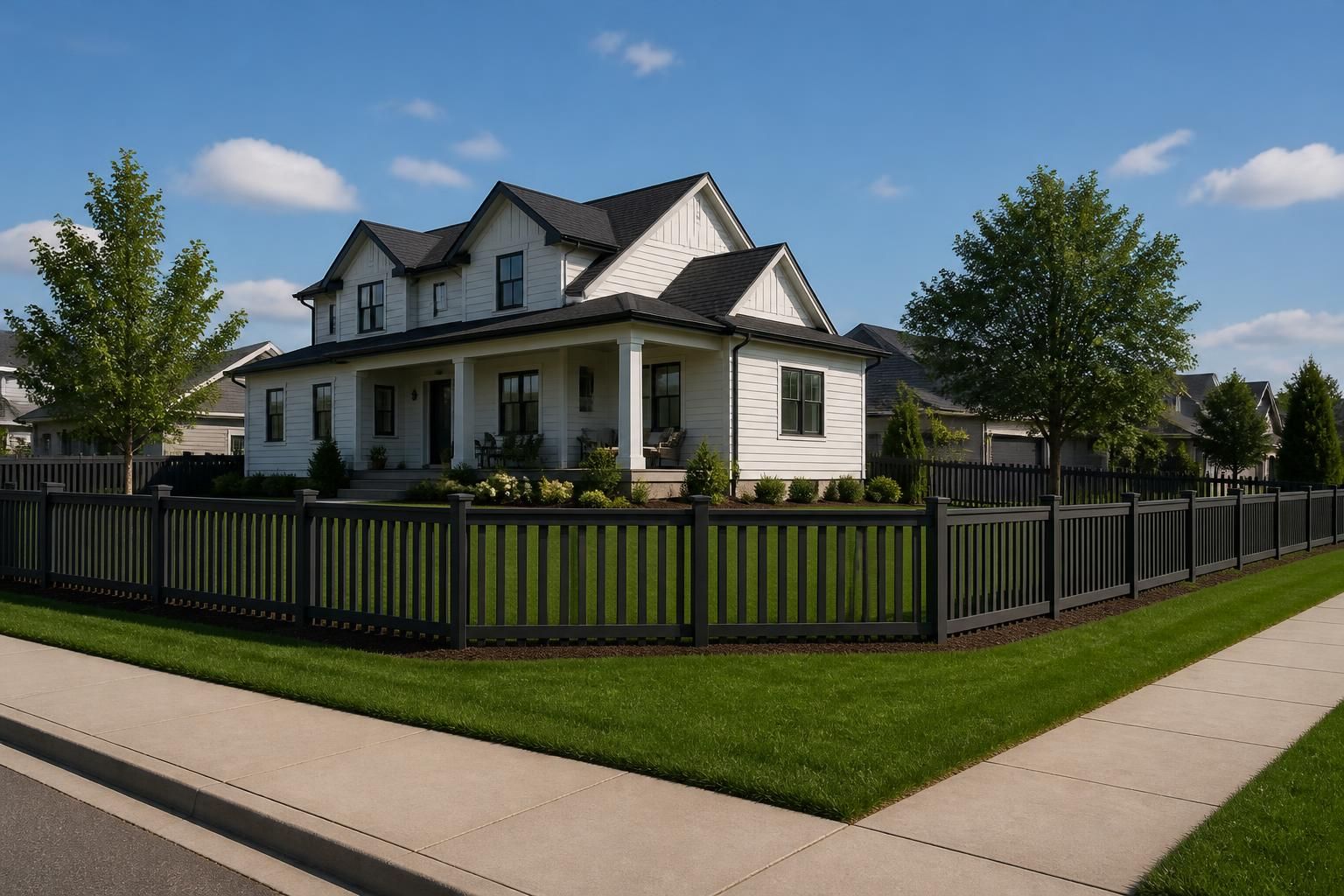
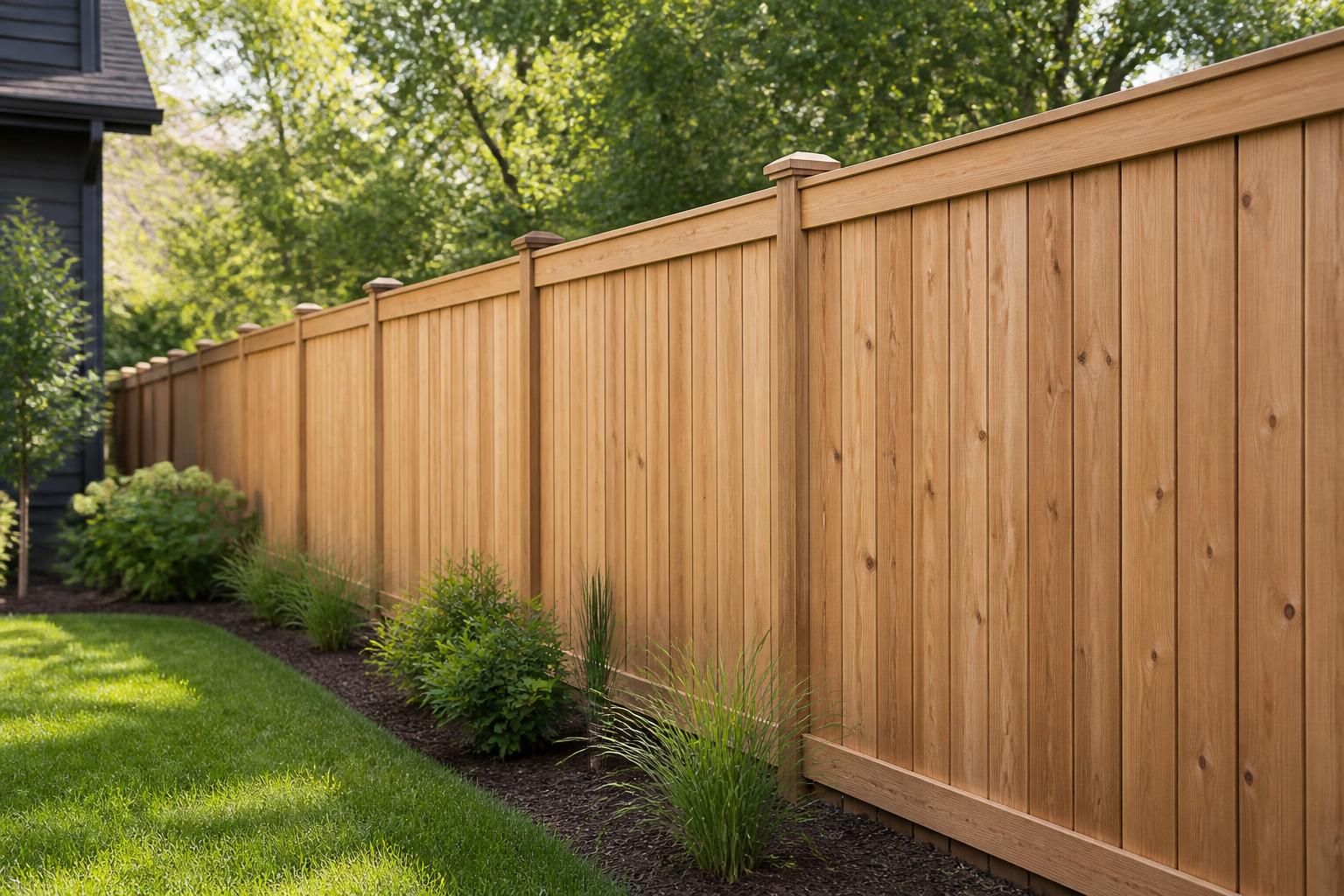
A new fence changes how you use your yard. It gives kids and pets room to play, adds privacy to a patio and frames the whole property. A little preparation before installation day helps the crew work quickly and keeps your lawn and garden in good shape.
Here is a simple checklist we share with homeowners across Salt Lake City before a project starts.
1. Confirm where your property line is
Your fence should sit on your side of the line. Look for the survey or plat map you received when you bought the home, or ask the county recorder for a copy. If the corners are hard to find, a licensed surveyor can mark them.
It is also a good idea to talk with your neighbors. A quick conversation about the plan, the style and the timing avoids surprises and often leads to a fence everyone is happy to look at.
2. Check HOA and city rules
Many neighborhoods limit fence height, style or color, especially in front yards and on corner lots. Read your HOA guidelines and the city requirements before choosing materials, and ask whether a permit is needed for your project.
Settle the rules first. It is much easier to adjust a plan on paper than a fence in the ground.
3. Call before anyone digs
Every fence post needs a hole, and underground lines can sit closer to the surface than you expect. Utility locating is free: call 811 a few days ahead so gas, power and water lines are marked before work begins.
4. Clear a path along the fence line
The crew needs room to set posts, run string lines and move materials. In the days before installation:
- Trim back shrubs and branches within a few feet of the fence line.
- Move planters, play equipment, firewood and yard decor.
- Mark sprinkler heads and low-voltage lighting so they can be protected.
- Make sure the side gate or driveway is open for deliveries.
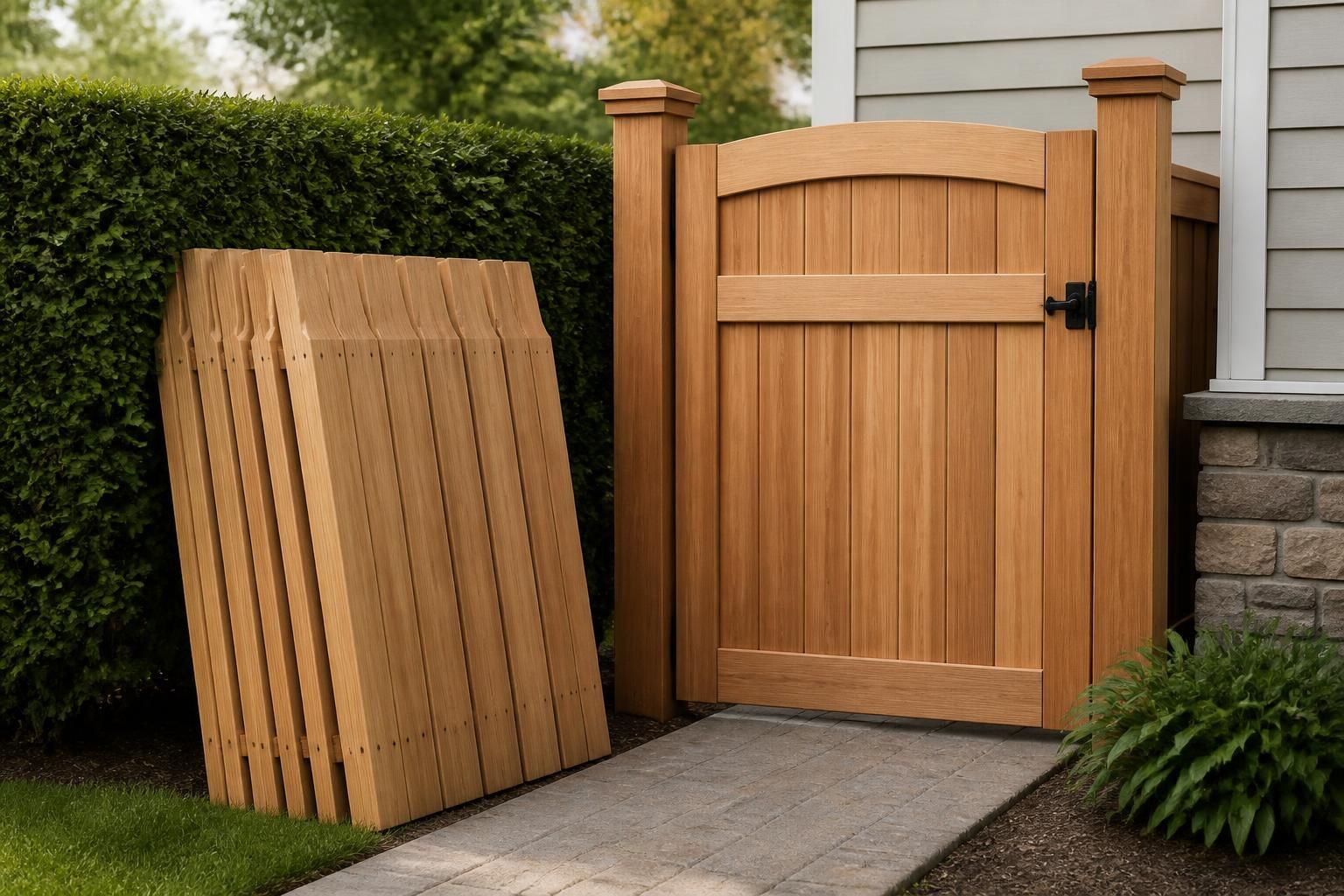
5. Plan your gates around how you use the yard
Gates are the part of the fence you touch every day, so think about what needs to pass through them. A single walk gate works for people and trash bins. Mowers, wheelbarrows and small trailers usually need a wider gate or a double drive gate.
Questions to ask yourself
- Where do you walk most often between the front and back yard?
- Will you ever need to bring equipment or a vehicle into the backyard?
- Do you want a self-closing latch to keep pets and kids in?
6. Think about pets and kids on install day
Old fence sections may come down before new ones go up, so part of the yard can be open for a while. Plan to keep dogs inside and give the crew a clear work area until the last gate is hung.
What happens on installation day
The crew walks the fence line with you, confirms gate locations and the finished height, then sets the posts. Once posts are set and level, rails and boards or panels go up section by section. Before we leave, we haul away old materials and debris and walk the finished fence with you so you know how every gate and latch works.
Ready to plan your project? Request an estimate and we will help you choose the right fence for your yard.